
In the world of used vehicles, some models fade into obscurity while others become legends. The 2011 Toyota Sequoia falls firmly into the latter category. Fifteen years after it rolled off the assembly line, this full-size SUV continues to command respect on the used market. This comprehensive 2011 Toyota Sequoia review and buying guide explains why its blend of space, power, and durability makes it a compelling option for families and adventurers in 2026.
A Look Back at the Full-Size SUV Giant
To understand the 2011 Toyota Sequoia, you have to remember the automotive scene of the early 2010s. Full-size SUVs were the undisputed kings of the American road, and the market was dominated by domestic titans like the Chevrolet Tahoe and Ford Expedition. Into this arena, Toyota brought a vehicle built not just to compete, but to outlast. The Sequoia was engineered on the same rugged, body-on-frame platform as the formidable Toyota Tundra pickup truck, giving it immense strength and capability from its very foundation.
This construction positioned it as a more spacious, family-focused alternative to Toyota’s own iconic Land Cruiser, which prioritized ultimate off-road prowess over third-row comfort. The Sequoia’s mission was different. It was designed for the family that needed to haul seven or eight people, tow a boat to the lake on Saturday, and still serve as a comfortable daily driver during the week. Its primary weapon against the American competition was Toyota’s hard-earned and almost mythical reputation for reliability.
However, the Sequoia launched into a challenging environment. The shockwaves of the 2008 financial crisis were still being felt, and fuel prices were a constant concern for consumers. In this climate, large, V8-powered vehicles faced scrutiny. Many buyers began shifting towards smaller, more efficient crossovers. Yet, for those who genuinely needed uncompromising space and power, the Sequoia stood as a testament to purpose-built engineering. It offered a solution for families who refused to compromise on capability. Now, a decade and a half later, the central question of this used Toyota Sequoia buying guide is clear: do those core strengths still make it a smart purchase in 2026?
Dissecting the Powertrain Options

At the heart of the 2011 Sequoia’s appeal are its two robust V8 engine options. These powertrains are the foundation of its character, delivering the power and reliability that buyers still seek today. The standard engine was a 4.6-liter V8, producing a respectable 310 horsepower and 327 lb-ft of torque. For many, this engine was more than enough. It provided adequate power for daily driving, highway merging, and lighter hauling duties, all while being the slightly more fuel-conscious choice of the two.
The main attraction, however, was the optional 5.7-liter i-FORCE V8. For buyers who wanted maximum capability, this was the only choice. The Toyota Sequoia 5.7 V8 specs were truly impressive for the era, boasting 381 horsepower and a massive 401 lb-ft of torque. These figures didn’t just look good on paper; they translated into real-world performance that made the Sequoia one of the quickest and most powerful full-size SUVs of its time. This engine transformed the vehicle from a capable family hauler into an effortless towing machine and a surprisingly brisk accelerator.
Both engines were paired with a smooth and intelligent six-speed automatic transmission. In normal driving, it shifted almost imperceptibly, contributing to a calm and composed ride. When towing or under hard acceleration, its programming was smart enough to hold gears longer and downshift decisively, ensuring the V8s were always in their powerband. Buyers could choose between standard rear-wheel drive (RWD) for milder climates and a more capable multi-mode four-wheel drive (4WD) system. It’s important to understand a key nuance of this 4WD system: it includes a lockable center differential and a two-speed transfer case with a low-range gear for serious traction challenges. However, it lacks a simple “auto” mode for on-road use, meaning the driver must actively engage 4WD when conditions warrant it. This is a system for intentional use, not a set-it-and-forget-it setup found in many modern SUVs.
Of course, all that power comes at a cost at the pump. Realistic fuel economy expectations are crucial. Most owners report around 13-14 mpg in the city and 18-19 mpg on the highway. These are not impressive figures by 2026 standards, but they are the price of admission for this level of V8-powered capability and space.
Trim Levels Explained: SR5, Limited, and Platinum
Choosing the right 2011 Sequoia on the used market often comes down to finding the trim level that best balances features and value. Toyota offered three distinct grades, each catering to a different buyer.
SR5: The Utilitarian Workhorse
The SR5 was the entry point into the Sequoia lineup, but it was far from basic. Positioned as the high-utility, no-frills option, it came well-equipped for family duty. It was the practical choice for those who prioritized space and capability over luxury appointments.
- Eight-passenger seating with a second-row bench
- Three-zone automatic climate control
- Power driver’s seat
- Standard Bluetooth connectivity and a roof rack
- 18-inch alloy wheels
Limited: The Family-Focused Sweet Spot
For most buyers, the Limited trim represented the ideal middle ground. It added a significant layer of comfort and convenience features that transformed the daily driving experience without venturing into excessive luxury. We believe this trim offers the best long-term value on the used market today.
- Upgraded to leather upholstery and heated front seats
- A convenient power liftgate
- Front and rear parking sensors
- A power-folding third-row seat
- Larger 20-inch alloy wheels
Platinum: The Peak of 2011 Luxury
The Platinum trim was the top-of-the-line model, loaded with every feature Toyota could offer. It was designed for buyers who wanted limousine-like comfort and cutting-edge technology for its time. While impressive, many of its exclusive features add complexity and potential repair costs fifteen years later.
- Seven-passenger seating with heated second-row captain’s chairs
- A rear-seat DVD entertainment system
- A premium JBL Synthesis sound system
- Adaptive Cruise Control
- An air suspension system with load-leveling
When looking at these trims in 2026, the Limited often emerges as the smartest buy. Its features, like leather seats and a power liftgate, remain highly desirable, while it avoids the more complex and potentially costly systems of the Platinum. The added intricacy of air suspension and older navigation systems can be a liability, a common pitfall we’ve explored when searching for used luxury SUVs that won’t destroy you on repairs.
| Feature | SR5 | Limited | Platinum |
|---|---|---|---|
| Seating Configuration | 8-Passenger Bench | 8-Passenger Bench | 7-Passenger Captain’s Chairs |
| Upholstery | Cloth | Leather-Trimmed | Perforated Leather |
| Wheels | 18-inch Alloy | 20-inch Alloy | 20-inch Diamond-Finish Alloy |
| Key Convenience | Power Driver’s Seat, Bluetooth | Power Liftgate, Heated Front Seats | Power Folding 3rd Row, Power Tilt/Telescope Steering |
| Premium Features | Standard Audio | Upgraded Audio, Parking Sensors | JBL Synthesis Audio, Rear Entertainment, Navigation |
| Advanced Safety | Standard Safety Suite | Standard Safety Suite | Adaptive Cruise Control |
Living with the Sequoia: Interior Space and Comfort
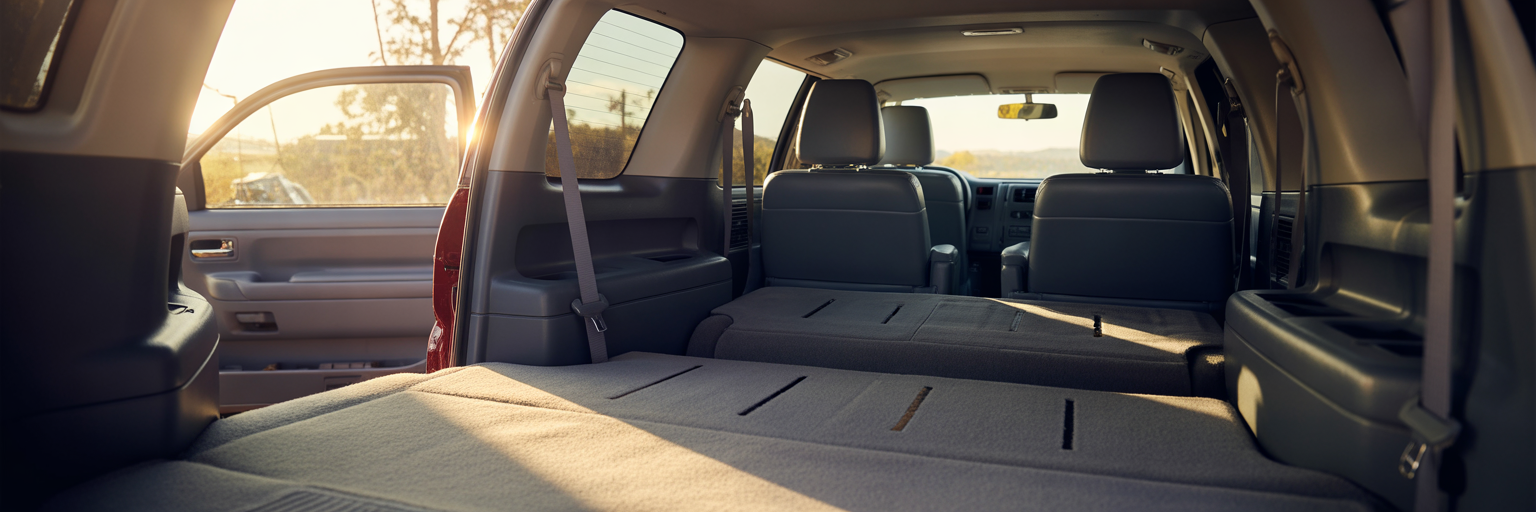
The number one reason to buy a 2011 Sequoia is its cavernous interior. This is a vehicle where space is never an afterthought. From the driver’s seat, the commanding view of the road inspires confidence, while the sheer width of the cabin means you’re never bumping elbows with your front passenger. The second row is equally generous, with sliding and reclining seats that allow passengers to find their perfect comfort zone. But the real magic is in the third row. Unlike many rivals from its era where the rearmost seats were best reserved for children, the Sequoia’s third row is genuinely usable for adults on longer journeys, with surprising legroom and headroom.
This immense passenger space translates directly into cargo capacity. With all seats in place, there’s still enough room for a week’s worth of groceries. Fold down the third row, a task made effortless by the optional power-folding feature on higher trims, and the cargo area becomes vast. It easily swallows camping gear for a family of five with room to spare. Fold down the second row, and you essentially have a covered pickup truck bed, capable of hauling furniture or large home improvement supplies.
Looking at the dashboard from a 2026 perspective, the design certainly appears dated. The center stack is a busy landscape of buttons and knobs, a far cry from the minimalist, screen-dominated interiors of modern vehicles. We’ve all become accustomed to sleek touchscreens controlling every function. Yet, there’s a counterintuitive benefit here. The Sequoia’s physical controls for climate and audio are arguably safer and more ergonomic to use while driving. You can adjust the fan speed or change the radio station by feel, without taking your eyes off the road to navigate through a distracting menu. It’s a reminder that sometimes, simpler is better.
When inspecting a used model, pay close attention to the interior’s condition, as it tells a story of its past life. Check for significant wear on the driver’s seat outer bolster, a common high-traffic area. Inspect the hard plastics in the cargo area for deep scratches, which can indicate heavy-duty use. Most importantly, test every single power accessory, from the windows and sunroof to the power-folding third row, to ensure everything functions as it should.
On and Off the Road: Driving Dynamics
Getting behind the wheel of the 2011 Sequoia reveals a vehicle that prioritizes comfort and stability above all else. Its on-road ride quality is remarkably smooth and composed for a vehicle of its size and truck-based origins. A major contributor to this refinement is its independent rear suspension. This was a significant engineering advantage over many competitors at the time, which still used a solid rear axle. That design often resulted in a jittery, unsettled ride over bumps, whereas the Sequoia glides over imperfections with surprising grace.
The handling is what you would expect from a large SUV built for comfort. The steering is light and easy, making parking lot maneuvers less intimidating than its size might suggest. On a winding road, however, that same lightness can feel a bit numb and disconnected. This isn’t a sporty vehicle, and it doesn’t pretend to be. The handling is safe and predictable, a deliberate choice that favors passenger comfort over spirited driving.
Where the Sequoia truly shines is in its towing performance. The 2011 Sequoia towing capacity is rated up to 7,400 pounds when properly equipped with the 5.7L V8. But the number only tells part of the story. The engine’s abundant torque, combined with the robust frame and the transmission’s tow/haul mode, makes it an exceptionally confident tow vehicle. It pulls heavy loads without feeling strained, providing a sense of security that is paramount when hauling precious cargo like a boat or a camper. For those seeking a dependable hauler, it stands tall among even the best used trucks for towing a camper on the market.
Its off-road prowess is also respectable. While it’s not a dedicated trail rig like a Land Cruiser due to its size and overhangs, the 4WD system is highly capable. The low-range gearing and lockable center differential provide legitimate traction for navigating snowy conditions, muddy fields, or unpaved roads to a remote campsite. Its primary limitation off-road is simply its large footprint, which can make tight trails a challenge.
Long-Term Ownership: Reliability and Common Issues
For anyone considering a 15-year-old vehicle, this is the most important section. The foundation of the 2011 Sequoia reliability is its Toyota DNA. The 5.7L i-FORCE V8 and its accompanying six-speed automatic transmission are legendary in the truck and SUV community, known for their ability to reach incredibly high mileage with just routine maintenance. It’s not uncommon to see these powertrains exceed 200,000 or even 300,000 miles. This is a perfect example of why some high-mileage cars age better than others.
However, no vehicle is perfect, and there are a few well-documented issues to be aware of. A thorough pre-purchase inspection is non-negotiable. Here are the most common items to check:
- Secondary Air Injection Pump Failures: This is a known issue on the V8 engines. A failure will trigger a check engine light and can put the vehicle into a “limp mode.” The repair can be costly, so it’s a critical item to have checked by a qualified mechanic.
- Water Pump Leaks: Like many V8s, the water pump can develop leaks over time. Look for signs of pink, dried coolant around the front of the engine. This is a common wear-and-tear item but should be addressed promptly to prevent overheating.
- Power Rear Hatch Motor Issues: On Limited and Platinum trims, the motor for the power liftgate can sometimes fail. Be sure to test its operation multiple times during your inspection.
Your pre-purchase inspection checklist should also include:
- A thorough check of the frame for rust, especially if the vehicle has spent its life in a Snow Belt state.
- An inspection of all suspension components, looking for leaking shocks or worn-out bushings.
- Testing every single electronic feature, from the navigation screen to the seat heaters.
- Asking for service records. Consistent oil changes are the lifeblood of these engines.
As a 2011 review from MotorTrend noted at the time, its robust build quality has certainly been proven over the last fifteen years. But owning a large, older vehicle means budgeting for running costs. Tires and brakes are expensive, and as mentioned, fuel costs will be a significant part of the ownership experience. Over time, a vehicle like this becomes part of the family’s history. This personal connection is not unlike designing a tattoo that tells your own story, where every road trip and family memory adds to its character.
The 2011 Sequoia Versus Its Modern Counterparts
The final verdict on the 2011 Sequoia comes from comparing it directly to the full-size SUVs of 2026. The trade-offs are clear, and understanding them is key to making a smart purchase.
Powertrain: Proven V8 Simplicity vs. Modern Efficiency
The Sequoia’s naturally aspirated V8s are paragons of simplicity and proven durability. They are straightforward to maintain and have a long track record of reliability. In contrast, modern SUVs rely on smaller, turbocharged V6 engines and complex hybrid systems to deliver power and efficiency. While these new powertrains offer significantly better fuel economy, they also introduce a higher level of complexity and long-term repair costs that are still largely unknown.
Technology: Physical Buttons vs. Giant Touchscreens
This is where the Sequoia shows its age the most. Its infotainment system, with basic Bluetooth and optional, dated navigation, feels ancient compared to the massive touchscreens with wireless Apple CarPlay and Android Auto that are standard today. For the tech-savvy buyer, this will be a major drawback. For the buyer who dislikes distracting screens and prefers the tactile feel of a button, the Sequoia’s old-school interface might actually be a welcome feature.
Safety: Foundational Protection vs. Active Intervention
The 2011 Sequoia was built to be safe, with a strong frame, a full suite of airbags, and standard stability control. It offers excellent passive protection in the event of a crash. However, it lacks the active safety systems that families now expect. Modern SUVs are equipped with automatic emergency braking, lane-keeping assist, and blind-spot monitoring, features that can help prevent an accident from happening in the first place. This is perhaps the most significant sacrifice a buyer makes when choosing the older model.
Ultimately, this final 2011 Toyota Sequoia review concludes that it remains an outstanding value proposition for a specific type of buyer. You gain a low purchase price, mechanical simplicity, and an almost unparalleled amount of interior space. You sacrifice modern technology, fuel economy, and active safety features. It is the ideal choice for the savvy consumer who prioritizes proven capability and bulletproof reliability over the latest gadgets. If these trade-offs have you curious about the current market, our comparison of the Chevrolet Tahoe vs. Ford Expedition shows what today’s full-size SUVs offer.