
That unmistakable rumble you hear from a passing WRX isn’t just for show; it’s the signature of a horizontally-opposed engine that has defined Subaru for decades. But this unique engineering choice comes with its own set of rules for ownership and maintenance.
The Boxer Engine’s Unique Design
Subaru didn’t choose the boxer engine by accident. This design is central to the brand’s identity, influencing everything from handling dynamics to the sound that enthusiasts love. This commitment to a specific engineering layout is a core part of what makes these vehicles so distinct, a philosophy that extends across their entire lineup, which you can explore further at Carphanatics. Understanding its fundamental principles is the first step to understanding your Subaru.
How a Boxer Engine Works
Imagine two boxers standing opposite each other, throwing punches outward at the same time. That’s the essence of a boxer engine. The pistons, which are the components that move up and down inside the cylinders, are arranged in two flat banks. They move horizontally, simultaneously pushing away from the central crankshaft. This is fundamentally different from the engine in most cars.
In a typical inline engine, all the pistons stand upright in a single row, moving vertically like pistons in a pump. In a V-engine, they are arranged in two angled banks, forming a “V” shape. The boxer’s flat, horizontal motion is what gives it a completely different character, both in how it feels and how it fits inside the car.
The On-Road Advantages: Gravity and Balance
The primary benefit of this flat design is a drastically lower center of gravity. Because the engine is short and wide rather than tall and narrow, its weight sits much lower in the chassis. For the driver, this isn’t just a technical detail. It translates directly into a more planted, stable feel on the road. You feel it as confidence on winding Appalachian mountain roads or as sure-footed stability during a snowy Midwest winter. The car is less prone to body roll in corners, giving it a nimble and responsive character that many owners love.
The other major advantage is inherent balance. As one piston moves outward, its counterpart on the opposite side moves outward with equal force. These opposing forces effectively cancel each other out. This eliminates the kind of primary vibrations that inline and V-engines have to manage with extra counterweights or balancing shafts. The result is a remarkably smooth-running engine, especially at idle. These are the key points when considering the boxer engine pros and cons; the trade-off for this excellent balance and low center of gravity comes in the form of packaging and serviceability.
The Inherent Trade-Offs of a Flat Design
While the boxer design offers great performance benefits, its shape creates practical challenges. The engine’s width is its biggest drawback from a mechanic’s perspective. In a conventional engine, components like spark plugs are usually right on top or on the side, easily accessible. In a boxer, they are tucked deep on the sides of the engine bay, often requiring the removal of other parts just to reach them.
This accessibility issue becomes a major factor during more significant repairs. Tasks that are relatively straightforward on an inline-four engine can become complex, labor-intensive jobs on a Subaru. Accessing the cylinder heads, for example, is notoriously difficult. This fundamental design reality is the reason why certain repairs, which we’ll discuss next, are more involved and costly than owners of other vehicles might expect. It’s a compromise for the superior handling the design provides.
The Anatomy of a Head Gasket Failure
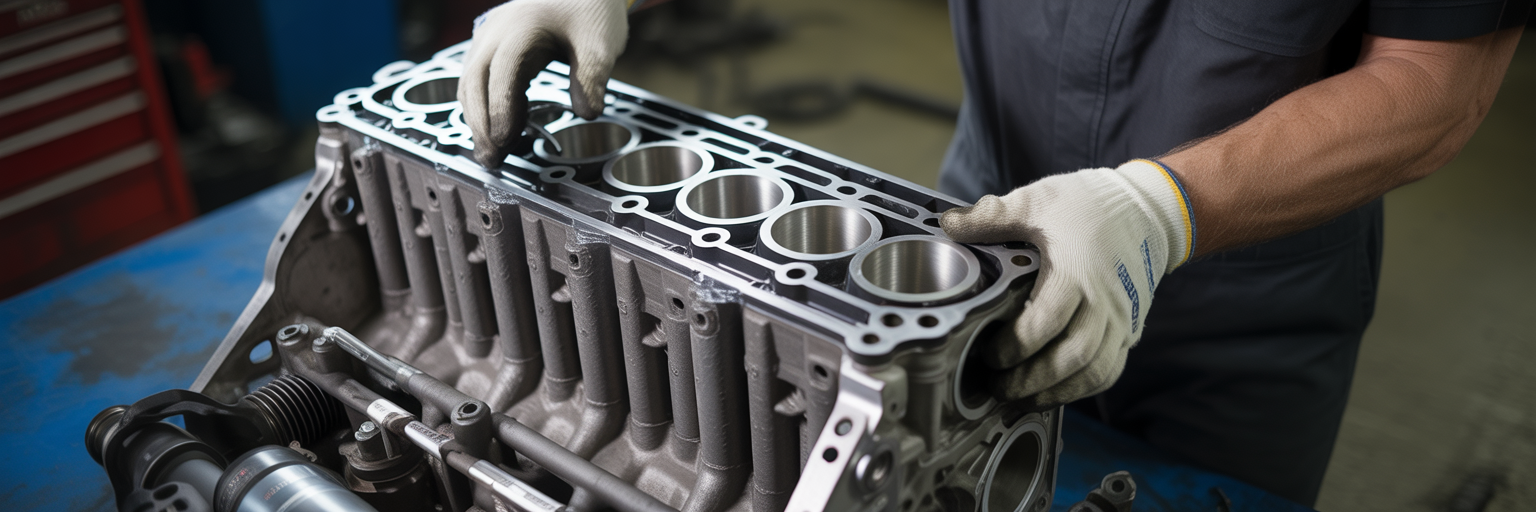
If you’ve spent any time in Subaru forums or talking to mechanics, you’ve heard the whispers about head gaskets. This is arguably the most famous of all Subaru engine problems, but it’s not a universal curse. The issue is highly specific to certain engines and model years, and understanding the “why” behind the failure is key to knowing if you should be concerned.
Which Engines Are Most Affected?
The primary culprit behind the brand’s head gasket reputation is the naturally aspirated 2.5-liter EJ25 engine. This workhorse motor was used across a huge range of Subaru’s most popular models. If you’re looking at a used Subaru, these are the vehicles where you need to pay close attention to service history:
- Subaru Outback and Legacy: Approximately 1999 to 2009
- Subaru Forester: Approximately 1999 to 2010
- Subaru Impreza: Approximately 1999 to 2011
It’s important to note that turbocharged models like the WRX and STI, while having their own unique challenges, did not suffer from this specific type of head gasket failure. The problem was concentrated in the non-turbo 2.5-liter engines of that era.
The Root Cause: A Combination of Design and Materials
The Subaru head gasket failure wasn’t caused by a single flaw but by a combination of factors. The original gaskets used were a single-layer-steel (SLS) design coated with a composite material. Over thousands of heating and cooling cycles, this coating would begin to degrade and fail, especially at the point where it sealed the coolant passages.
This was made worse by the engine’s design. As noted by industry experts at Underhood Service, the open-deck design of the engine block in these models was a contributing factor. This design, which leaves the tops of the cylinders unsupported, allowed for tiny amounts of movement or “scrubbing” between the aluminum block and the aluminum cylinder heads. Aluminum expands and contracts significantly with temperature changes, and this micro-movement would slowly eat away at the gasket’s integrity, eventually causing a leak. Most failures start as an external coolant or oil leak before progressing to a more serious internal breach.
Symptoms Every Owner Should Know
Recognizing the signs of a failing head gasket early can save you from more extensive damage. While this specific repair is best left to professionals, familiarizing yourself with basic vehicle diagnostics is a valuable skill for any car owner, and you can find more hands-on guides in our DIY section. Keep an eye, and nose, out for these classic symptoms:
- A sweet, syrupy smell: This is the signature scent of burning coolant. An external leak allows coolant to drip onto the hot exhaust manifold, creating a distinct odor around the engine bay.
- Visible oil or coolant drips: Look for wetness or drips on the bottom edge where the cylinder head meets the engine block, just above the exhaust pipes.
- Milky, frothy oil: If you check your oil dipstick or look under the oil cap and see a substance that looks like a coffee milkshake, it’s a sign that coolant is mixing with your engine oil. This is a serious internal failure.
- Bubbles in the coolant overflow tank: With the engine running and warmed up, look for a steady stream of bubbles rising in the plastic coolant reservoir. This indicates that high-pressure combustion gases are being forced into the cooling system.
The Reality of the Repair: Why It’s So Expensive
We can all picture that moment: you get the quote from the mechanic and your stomach drops. The reason a head gasket job on a Subaru is so expensive comes back to the boxer engine’s design. To properly access the cylinder heads, the entire engine must often be removed from the car. This turns what might be a 10-hour job on an inline-four into a 20+ hour, engine-out service.
The good news is that there is a definitive, permanent fix. The solution is to replace the original single-layer gaskets with high-quality multi-layer steel (MLS) head gaskets. These are the same type of gaskets used on the turbo models and in newer Subaru engines. When the surfaces of the block and heads are properly prepped and an MLS gasket is installed, the problem is solved for good. It’s a significant investment, but it corrects the original design’s primary weak point.
Turbocharger Troubles and Triumphs
The thrilling performance of a WRX, STI, or Forester XT is a direct result of its turbocharger. But that power comes with a responsibility. These engines operate under immense stress, and their reliability is directly tied to how they are maintained. Understanding their specific failure points is crucial for any owner of a turbocharged Subaru.
The High-Stress World of Forced Induction
A turbocharger is essentially an air pump, driven by exhaust gases, that forces more air into the engine. More air allows for more fuel, which creates a bigger explosion in the cylinder and, consequently, more power. This process, known as forced induction, dramatically increases the heat and pressure inside the engine. Internal components like pistons, rods, and bearings are subjected to forces far beyond what a naturally aspirated engine experiences. This high-stress environment is what makes them so exciting, but also less forgiving of neglect.
Common Turbo Failure Points: Oil Starvation and Ringlands
Two issues are particularly common in the turbocharged EJ-series engines. The first is oil starvation. The turbocharger’s central shaft spins at speeds exceeding 150,000 RPM, supported only by a thin film of oil. Tiny mesh filters inside the oil feed lines, known as banjo bolt filters, were designed to protect the turbo from debris. Over time, these filters can become clogged with sludge, restricting oil flow. When that happens, the bearings are destroyed in seconds, leading to catastrophic turbo failure.
The second notorious issue is ringland failure. The “ringlands” are the small sections of the piston that support the piston rings. In the EJ turbo engines, particularly when modified for higher boost, these areas can become a weak point. Under the intense pressure of detonation or pre-ignition, a ringland can crack. This allows combustion gases to blow past the piston, causing a loss of compression, excessive oil consumption, and a significant drop in power. It’s a failure that often requires a full engine rebuild to correct.
The Golden Rule: Oil Is Everything
When it comes to Subaru turbo reliability, there is one non-negotiable rule: oil is everything. Clean, high-quality oil is not just a lubricant; it is the lifeblood of the turbocharger, acting as a critical coolant for its bearings. You cannot follow the manufacturer’s extended oil change intervals designed for casual driving. For a healthy turbo Subaru, especially one that is driven enthusiastically, the rules are simple and strict.
You must use a high-quality full synthetic oil. More importantly, you must change it frequently. An interval of 3,000 to 3,750 miles is the gold standard within the enthusiast community. It might seem excessive, but it is the single most effective insurance policy against the two most common and costly failures. Clean oil prevents sludge from clogging banjo bolt filters and provides the best possible protection against the heat and stress that can lead to piston failure.
Warning Signs of a Failing Turbo
A failing turbo will almost always give you warning signs before it lets go completely. Learning to recognize them can save you from further engine damage. Listen and look for:
- A high-pitched whine or siren sound: This noise, which rises and falls with engine RPM, is the classic sign of a damaged compressor or turbine wheel, or failing bearings.
- Blue or gray smoke from the exhaust: If you see puffs of smoke when you accelerate, it’s a strong indication that the seals inside the turbo have failed, allowing oil to be sucked into the intake or pushed into the exhaust.
- A sudden loss of power: If the car feels sluggish and struggles to build boost, the turbo may have seized or is no longer spinning freely.
- A check engine light: Modern cars are good at self-diagnosing. Codes related to “underboost” or “overboost” often point directly to a problem with the turbocharger system.
While these issues can sound intimidating, they are manageable. When maintained with diligence, the exhilarating rush and iconic sound of a turbocharged Subaru are precisely what create such a passionate and loyal following. The triumph of the driving experience is worth the trouble for those willing to respect the machine.
Beyond Gaskets and Turbos: Other Common Issues
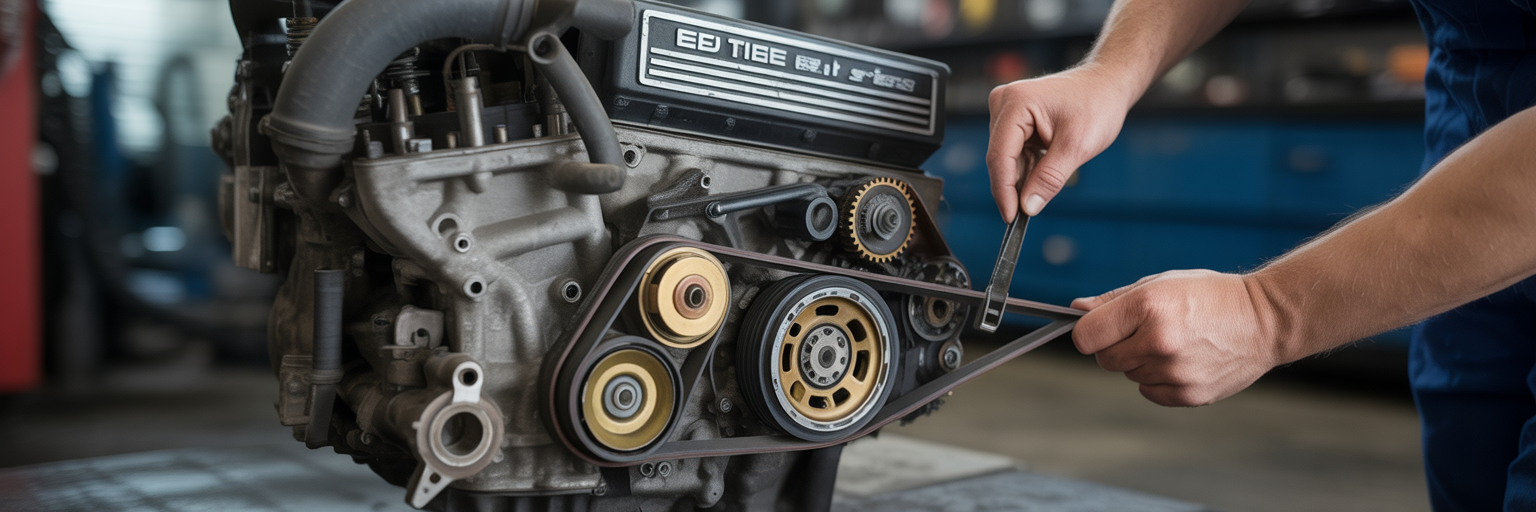
While head gaskets and turbos get most of the attention, a comprehensive understanding of Subaru ownership involves knowing about a few other potential issues. These problems are often specific to certain engine families and model years, and being aware of them can help you make a smarter purchase or plan for future maintenance.
Excessive Oil Consumption in FB-Series Engines
When Subaru introduced the FB-series engine around 2011, it solved the notorious EJ25 head gasket problem. However, some early versions of this new engine developed a different issue: excessive oil consumption. Owners of models like the 2011-2015 Forester and 2013-2015 Crosstrek reported needing to add a quart of oil or more between changes. The problem was eventually traced to the design of the piston rings, which were not sealing effectively against the cylinder walls. This issue became widespread enough to trigger a class-action lawsuit, and Subaru extended the warranty on affected vehicles. While later FB engines were corrected, it’s a critical point to verify if you’re shopping for a Subaru from that specific era.
The Critical Timing Belt Service (EJ Engines)
For anyone owning a Subaru with an EJ-series engine (virtually all models before 2011-2013), the timing belt service is the single most important maintenance item. These are interference engines. This means that if the timing belt snaps, the rotation of the pistons and valves will go out of sync, and the pistons will physically collide with the valves. The result is catastrophic, often requiring a complete engine replacement.
The service interval is typically every 105,000 miles or 105 months, whichever comes first. This isn’t a suggestion; it’s a hard deadline. When the service is performed, it’s crucial to replace not just the belt but also the water pump, tensioner, and idler pulleys, as the failure of any of these components can have the same disastrous outcome.
Timing Chains: A Modern Improvement (FA/FB Engines)
One of the most significant long-term ownership benefits of the newer FA and FB engine families is the switch from a timing belt to a timing chain. Unlike a rubber belt that has a finite lifespan, a timing chain is a metal component lubricated by engine oil and is designed to last the life of the engine. This completely eliminates the need for the expensive 105,000-mile service, representing a major reduction in maintenance costs for owners of modern Subarus. This change alone makes newer models a more practical choice for buyers focused on lower running costs.
Other Noteworthy Concerns
A few other issues are worth mentioning. The Active Valve Control System (AVCS) uses oil pressure to adjust camshaft timing. The solenoids that control this system can become clogged with sludge from poor oil maintenance, leading to a rough idle and check engine lights. Additionally, the catalytic converters on some models, particularly older ones, can be prone to failure. This is an expensive repair due to the precious metals they contain. While these Subaru-specific issues are important for owners to know, it’s worth remembering that large-scale engine problems are not unique to one brand; for instance, many owners are currently dealing with the GM 6.2L engine recall.
A Proactive Maintenance Guide for Subaru Owners
Owning a Subaru, especially an older or turbocharged model, isn’t about waiting for something to break. It’s about proactive care. A disciplined approach to maintenance is the difference between a reliable daily driver and a constant source of expensive repairs. This Subaru engine maintenance guide is your checklist for long-term health and peace of mind.
Coolant System Health: Your First Line of Defense
The cooling system is more than just a radiator and some hoses; it’s the primary defense against the conditions that lead to head gasket failure. Do not use generic green or orange coolant. You must use genuine Subaru Super Coolant (the blue stuff). For older EJ engines, it is also critical to add the small bottle of specified cooling system conditioner at every coolant change. This isn’t snake oil. The conditioner contains additives that help prevent internal corrosion and seal the microscopic pores that can lead to leaks. This simple step is a cheap and effective way to protect your head gaskets.
Diligent Oil Management
As we’ve established, oil is everything. But it’s not just about changing it. You need to use the right kind and check it often. For most non-turbo models, a quality 5W-30 synthetic is perfect. For turbocharged models, especially those that are tuned or driven hard, stepping up to a more robust 5W-40 synthetic like Rotella T6 provides an extra layer of protection against heat. Most importantly, get in the habit of checking your oil level at every other fuel fill-up. Boxer engines are known to consume a small amount of oil between changes, and running one low is the fastest way to cause catastrophic damage.
Listen to Your Car: Early Detection is Key
You are the first and best diagnostic tool your car has. We can all picture that moment when you notice a new noise but decide to ignore it. Don’t. A new tick, a different vibration at idle, or a slight hesitation during acceleration is your car’s way of telling you something is changing. Catching a failing wheel bearing when it’s just a hum is far better than dealing with it after it fails completely. Hearing the faint whine of a dying turbo gives you time to get it fixed before it sends metal fragments through your engine. Pay attention. Your senses can save you thousands.
Find a Subaru Specialist
While any competent mechanic can change your oil, for anything more complex, find an independent shop that specializes in Subarus. Why? Because they’ve seen it all before. They know to use MLS head gaskets. They know to check the banjo bolt filters on a turbo service. They have the right diagnostic tools and a deep understanding of common failure patterns. A general repair shop might spend hours diagnosing a problem a specialist can identify in minutes. That experience ultimately saves you time, money, and the frustration of a misdiagnosed repair.
Budgeting for Long-Term Ownership
Let’s be direct. Owning an older or high-performance Subaru requires a dedicated budget for maintenance and repairs. Pretending it will be as cheap to run as a Toyota Corolla is a recipe for disappointment. You should set aside funds for the critical timing belt service on an EJ engine or have a “just in case” fund for a potential turbo or clutch replacement on a WRX. This isn’t a negative; it’s a realistic investment in the car’s performance and longevity. Embracing a proactive mindset can extend to all areas of car care. Even simple tasks, like learning how to clean headlights with toothpaste, can save you money and keep your vehicle in top shape.
Which Subaru Engine Is Right for You?
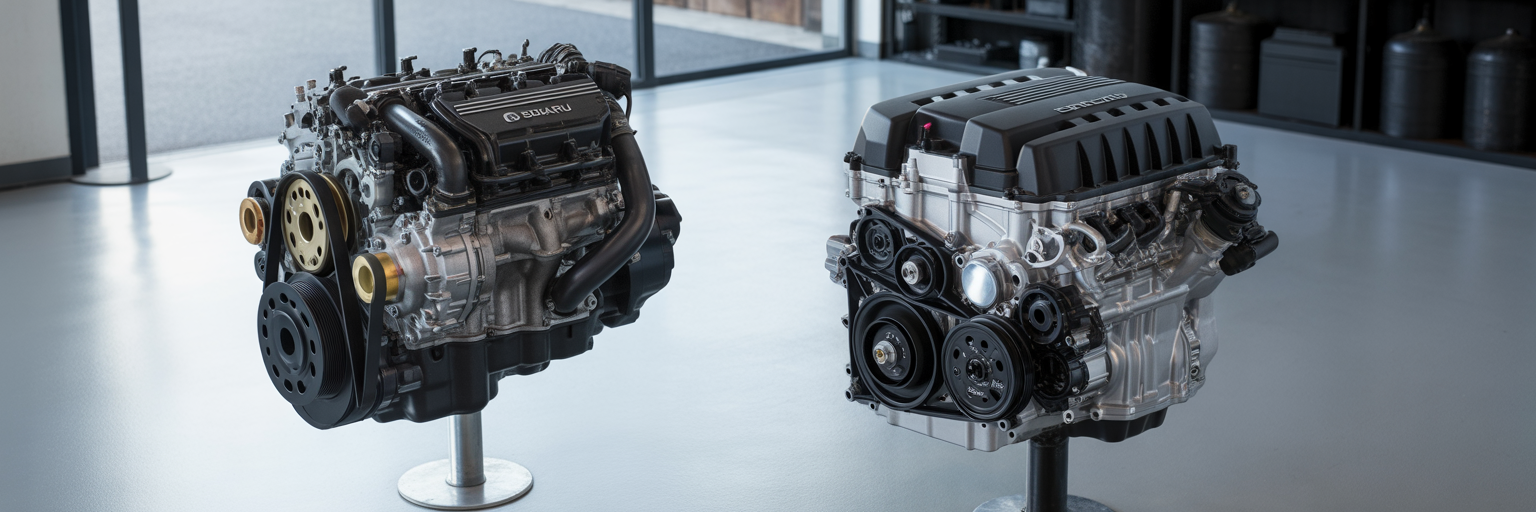
After breaking down the pros, cons, and common failures, the final question is: which engine should you choose? The answer depends entirely on your priorities. Are you seeking raw performance and a project car, or do you need a dependable, low-cost daily driver? Choosing the right engine is just as important as choosing the right model, and it’s a decision process similar to comparing the best hybrid SUVs under $35k, where you have to balance cost, features, and long-term value.
The EJ Series (found in pre-2011 Imprezas, pre-2014 WRX/STIs, and pre-2010 Foresters) is the enthusiast’s choice. It has a raw, mechanical feel, an iconic sound, and a massive aftermarket for performance parts. However, it comes with the well-documented risks of head gasket failure on non-turbo models and ringland or turbo issues on performance versions. If you buy an EJ-powered car, prioritize vehicles with meticulous service records, ideally showing a recent timing belt service and, for non-turbos, proof of an MLS head gasket replacement.
The FB Series (found in most non-turbo models since 2011) is the best Subaru engine for reliability and the smart choice for the average driver. While early versions had oil consumption issues, the head gasket problem was effectively engineered out. With a timing chain instead of a belt, its long-term maintenance costs are significantly lower than the EJ’s. For someone who values practicality, fuel economy, and peace of mind above all else, a 2015-or-newer FB-powered Outback, Forester, or Crosstrek is the clear winner.
The FA Series (found in the 2015+ WRX, 2014-2018 Forester XT, and Ascent) represents the modern performance engine. With direct injection and a more responsive twin-scroll turbo (in the WRX), it offers better fuel economy and a broader torque curve than the old EJ turbo. It’s more reliable and doesn’t have the same ringland fears, but it introduces a new potential issue common to all direct-injected engines: carbon buildup on the intake valves over time. It’s a sophisticated and potent engine, but one that still benefits from diligent maintenance.
Subaru Engine Generations: A Comparative Overview
| Engine Series | Key Characteristics | Common Models (US) | Primary Strengths | Known Weaknesses |
|---|---|---|---|---|
| EJ Series | Timing Belt, Port Injection | Impreza (pre-2011), WRX/STI (pre-2014), Forester (pre-2010) | Huge aftermarket support, raw performance feel, iconic sound | Head gasket failure (non-turbo), ringland failure (turbo), requires timing belt changes |
| FB Series | Timing Chain, Port Injection | Forester (2011+), Outback (2013+), Crosstrek | Greatly improved head gasket reliability, lower maintenance (no timing belt) | Excessive oil consumption in early years (2011-2015) |
| FA Series | Timing Chain, Direct Injection | WRX (2015+), Forester XT (2014-2018), Ascent | Modern efficiency, better torque curve, improved reliability over EJ turbo | Potential for intake valve carbon buildup due to direct injection |
Ultimately, the choice is clear. If you want a reliable, cost-effective daily driver, seek out a post-2015 model with an FB engine. If you’re an enthusiast who craves performance, understands the mechanical risks, and is prepared to invest in maintenance, a well-cared-for EJ or FA turbo model will deliver a driving experience few other cars can match.